-
Re-edition of
prestige pieces -
Re-edition of
prestige pieces -
Re-edition of
prestige pieces
A luminous emblem of silversmithing
The Anne
of Austria
tumbler
of Austria
tumbler

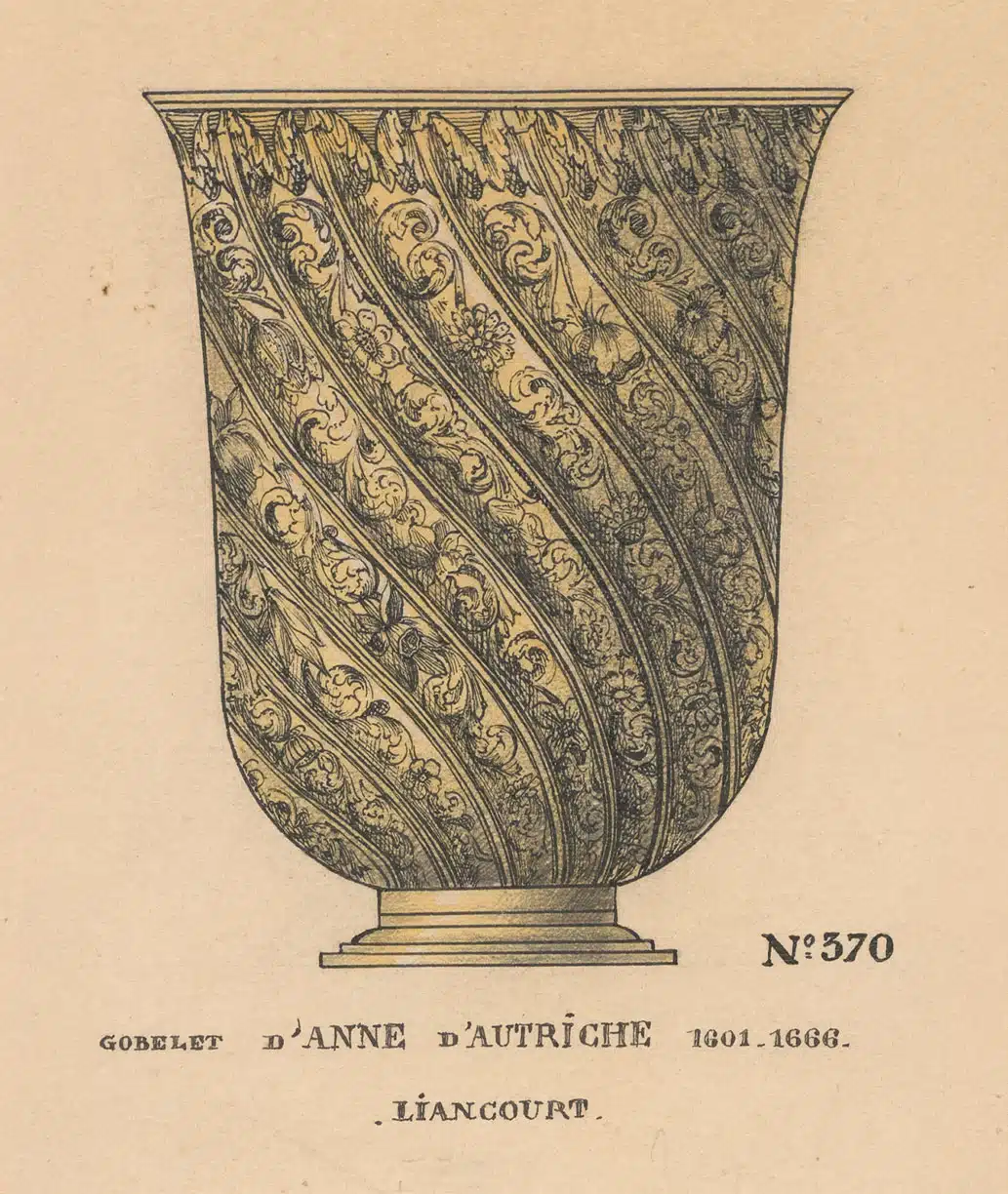
Centerpiece of the collection of antique silverware assembled by Louis Victor Puiforcat, the ‘Anne of Austria’ tumbler belongs to that category of exceptional objects imagined by the greatest silversmiths for the sovereigns of centuries past.
Fashioned in solid gold, the original goblet is one of the rare surviving examples of gold tableware, so prized by 17th century monarchs yet often melted down to finance wars.
The legend claiming that this goblet, now housed in the Louvre Museum, once formed part of the magnificent gold service of Queen Anne of Austria, mother of Louis XIV, remains difficult to verify, as does the idea that the queen later gifted it to one of her ladies in waiting, Anne Gabory.
Nevertheless, this beaker, with its beautiful decoration of twisted flutes and engraved scrollwork, stands as a remarkable testament to the 17th century and holds a prominent place in the great Parisian Museum.
Its reedition in sterling silver, vermeil, or gold today calls upon the full expertise and talent of the artisans of the Puiforcat workshop.
A weighty masterpiece
The F.T. Germain
tea & coffee set
tea & coffee set
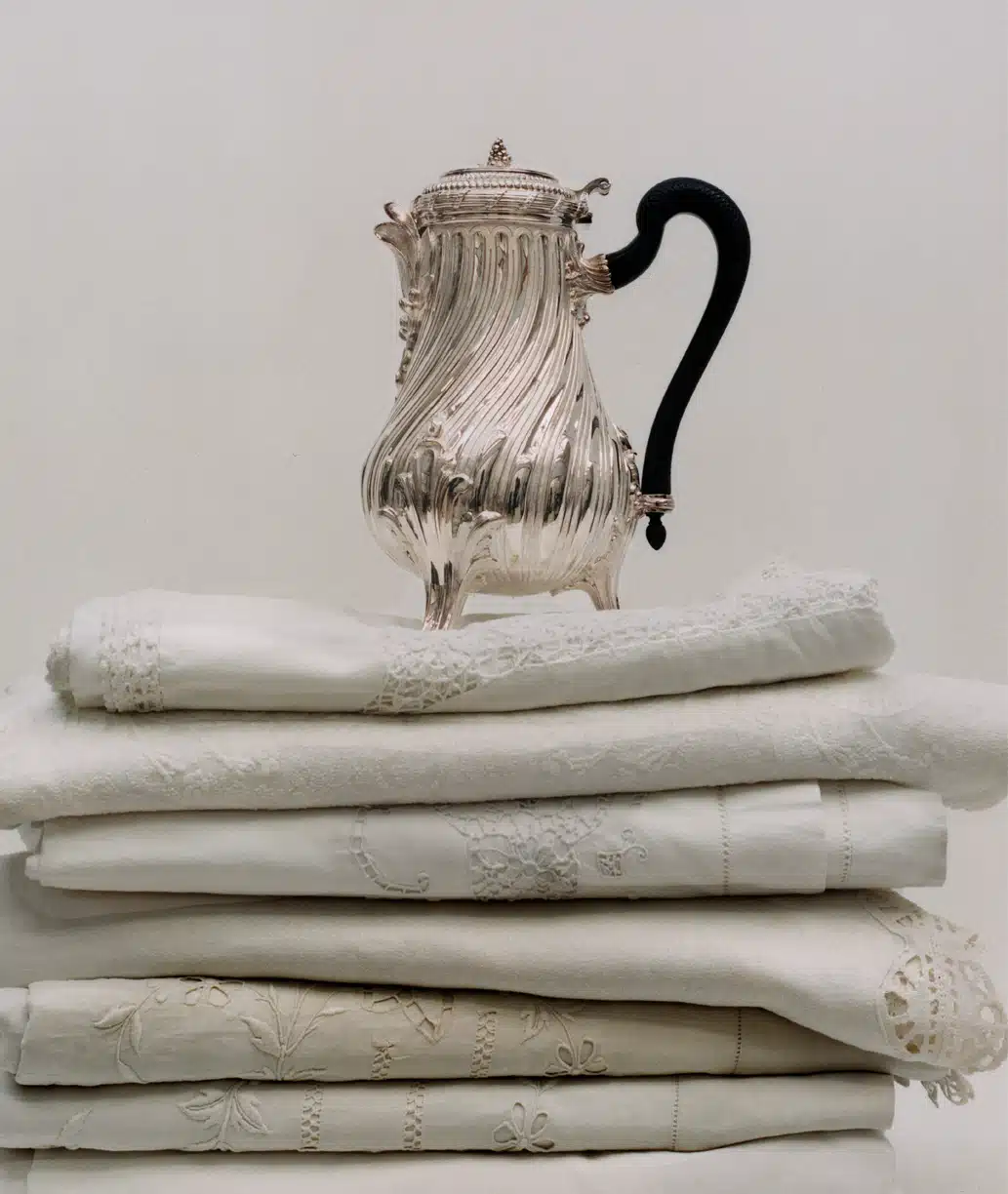
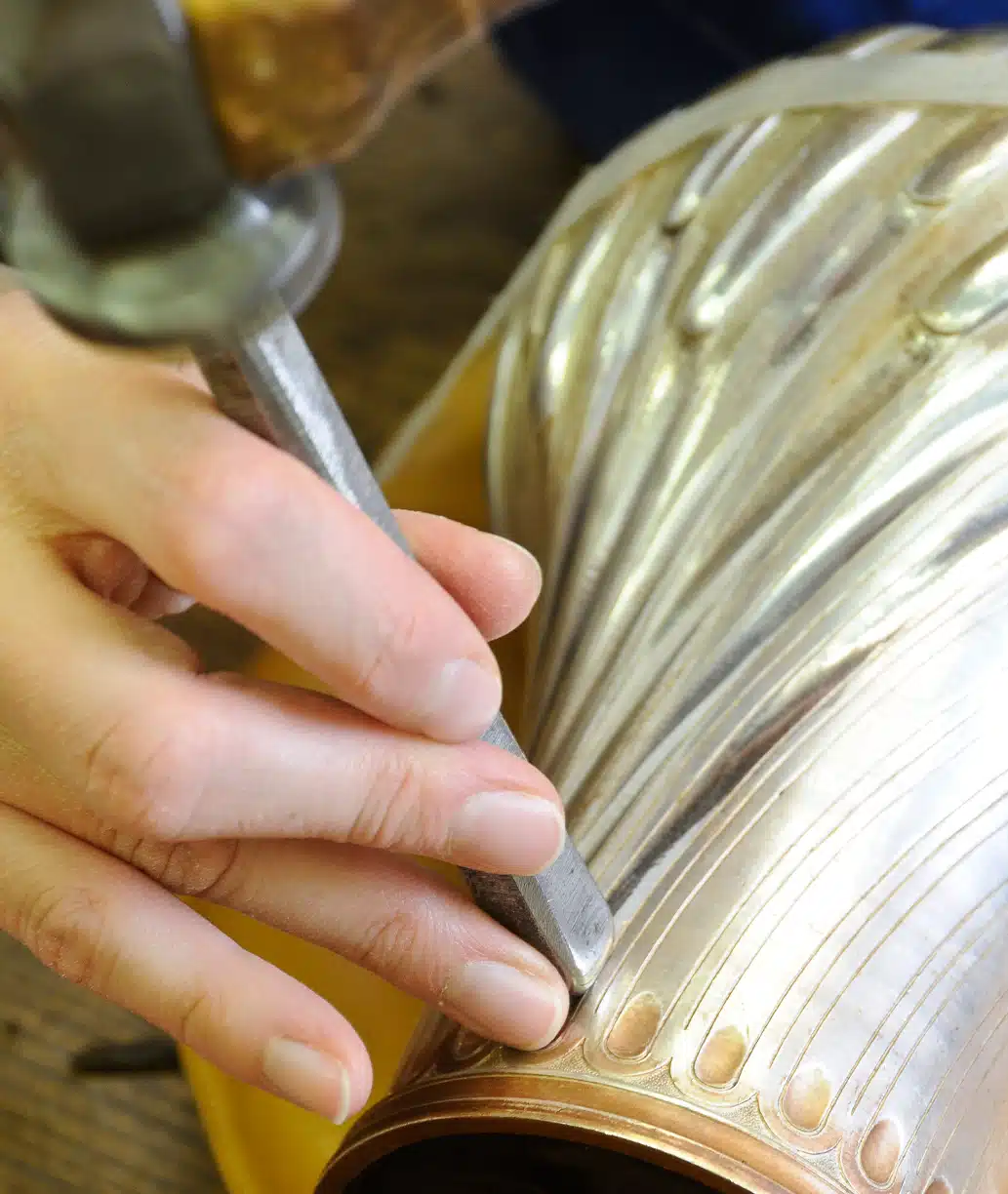
As with all everyday objects, chocolate pots, teapots, and coffee services began multiplying on royal tables from the 17th century onward, in parallel with the rise of chocolate, tea, and coffee consumption, beverages then newly imported from Asia and the Middle East. At first, Chinese or Japanese porcelain pieces were used, highly prized for their finesse, before European artisans - and silversmiths in particular - adopted these new customs and began imagining their own creations.
Among these exceptional objects, the chocolate pot designed in 1755 by the silversmith François Thomas Germain for the King of Portugal stands out as one of those sumptuous works that continue to inspire the artisans of the Puiforcat workshop today.
Its decorative opulence, the sinuous motifs of its body, the scrolls that unfold across it, and the carved wooden handle served as the starting point for a complete ensemble: a teapot, a coffee pot, a sugar bowl, a creamer, and a large, engraved tray - the making of which alone requires thirteen kilograms of sterling silver.
But what gives it even greater value are the skills, the crafts, and the meticulous precision its creation demands: producing the five pieces of the François Thomas Germain service requires 2,500 hours of manual work.
When art draws inspiration from nature
The F.T. Germain
fruit platter
fruit platter
Throughout the 18th century, foreign courts were among the most prestigious clients of Parisian silversmiths. The rocaille style creations of Thomas Germain and his son François Thomas rank among the finest achievements of the period.
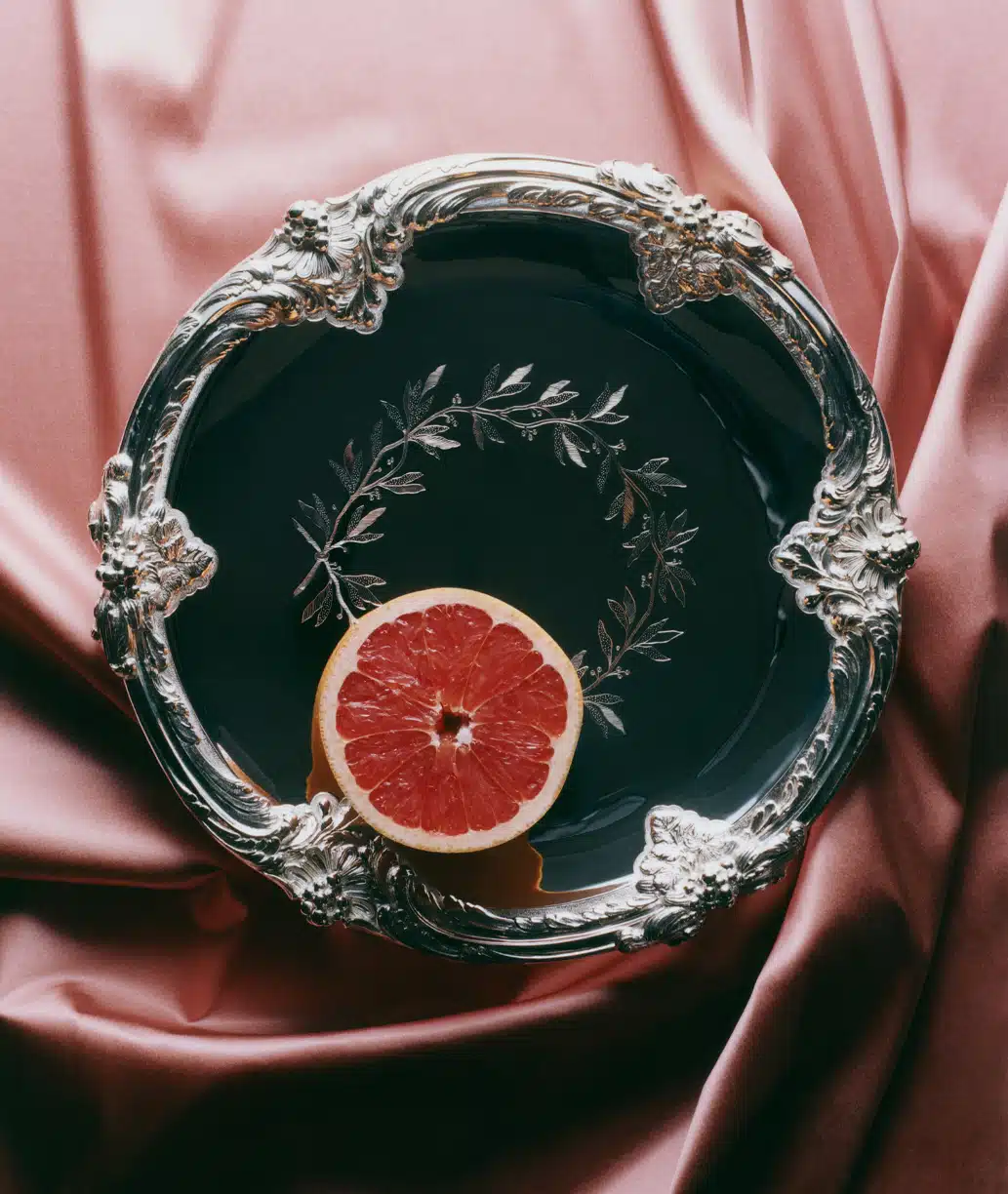
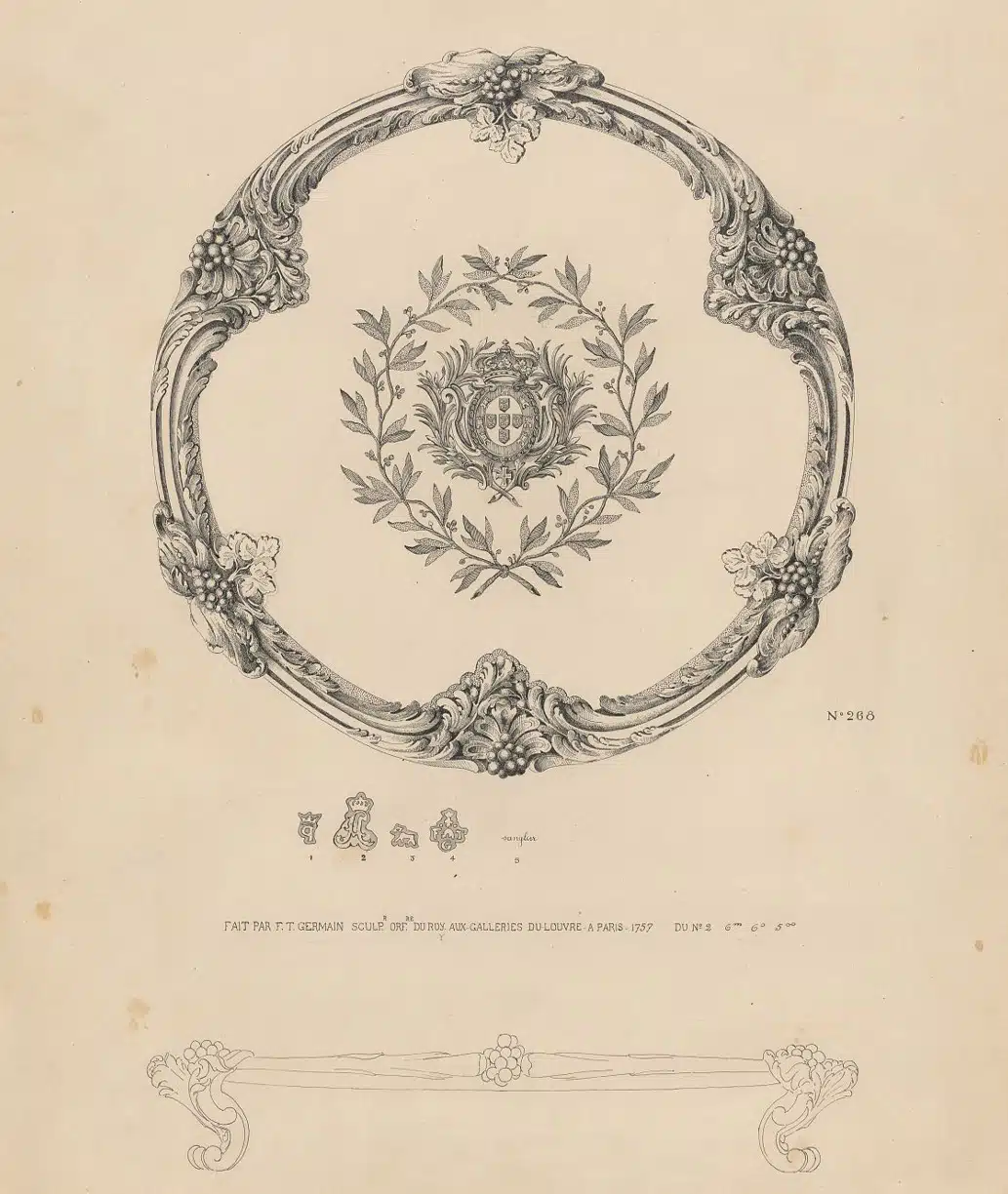
This elegant fruit platter reproduces the design of one of the two stands made in 1757 by François Thomas for the Emperor of Brazil, Pedro de Bragança.
Resting on three scroll shaped feet and bordered with motifs of palms, leaves, and currants, the circular trays that can be admired today at the Louvre bear the arms of the House of Bragança.
The version produced by Puiforcat may likewise be personalized with a monogram or initials.