19th century
1820- 1880 : From cutlery to silverwork
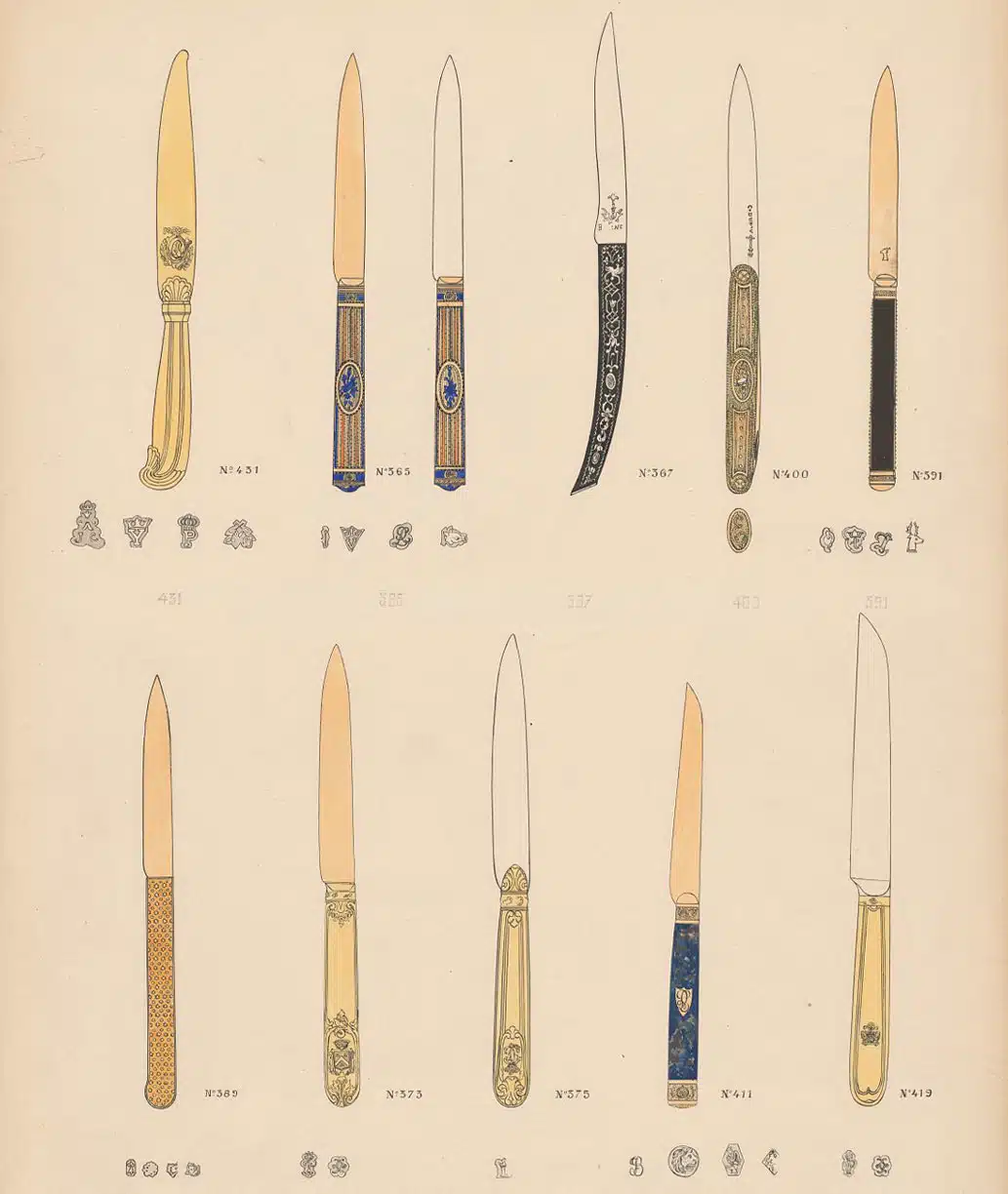
In the heart of the Marais craft district, Joseph Baptiste Fuchs transforms his cutlery workshop into a place where refined sterling‑silver and vermeil flatware takes shape, inspired by the styles of past centuries.
His nephew, Émile Puiforcat, carries this momentum forward and engraves the famed penknife hallmark between his initials, which in 1857 becomes the distinctive emblem of the Maison.
20th century
1900–1920: The Classical Style of the Puiforcat‑Tabouret Maison
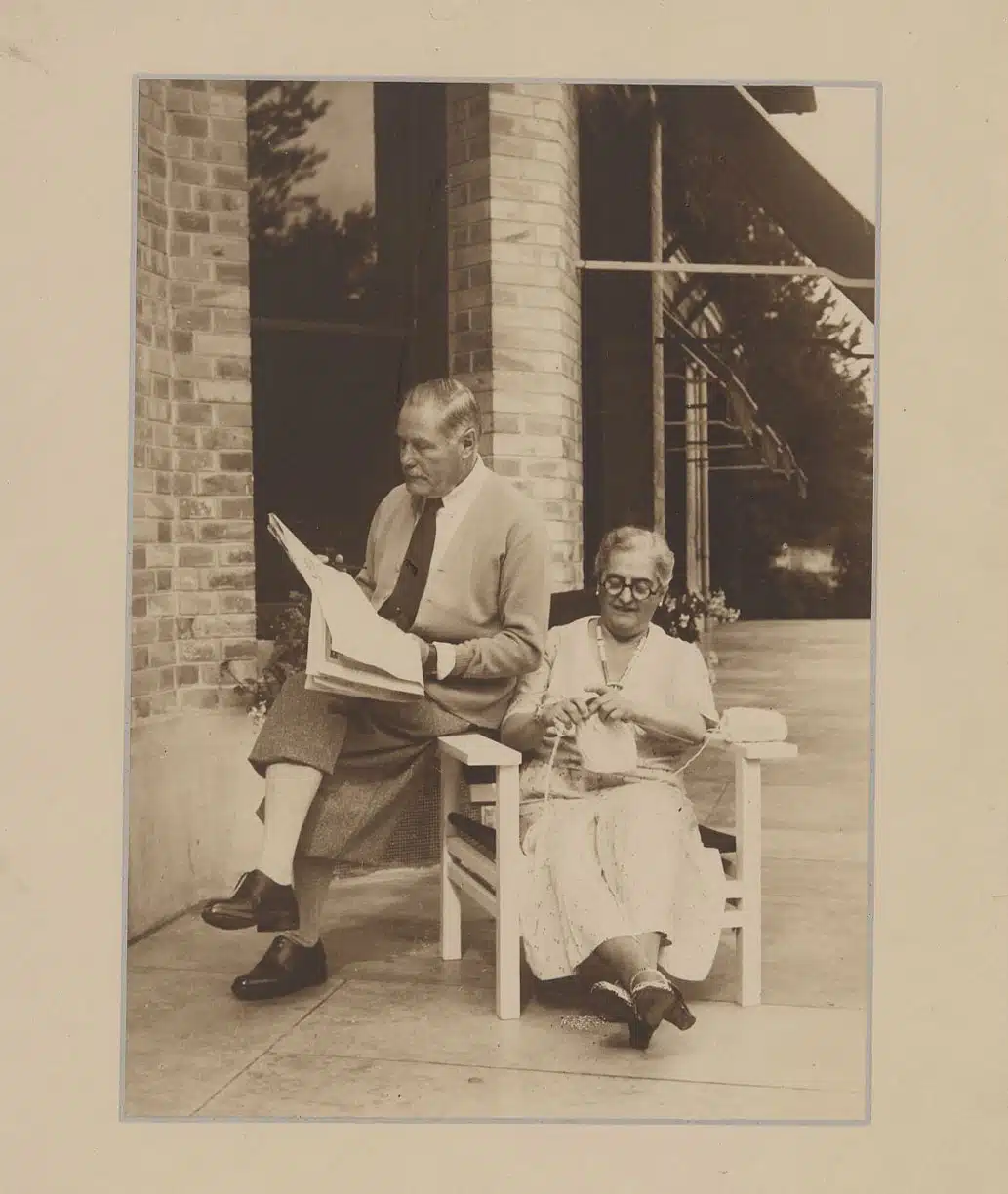
Louis Victor Tabouret (1867–1955), husband of Laure Puiforcat, brought new momentum to the Maison by steering it toward high silversmithing.
A passionate collector of classical antique objects, he drew inspiration from these treasures and revived a selection of masterpieces: exceptional tea services, tureens, and grooming accessories enriched the artisanal craft of table flatware.
Today, his collection is carefully preserved at the Louvre Museum.
20th century
1920–1945: The Art Deco Style of Jean Puiforcat
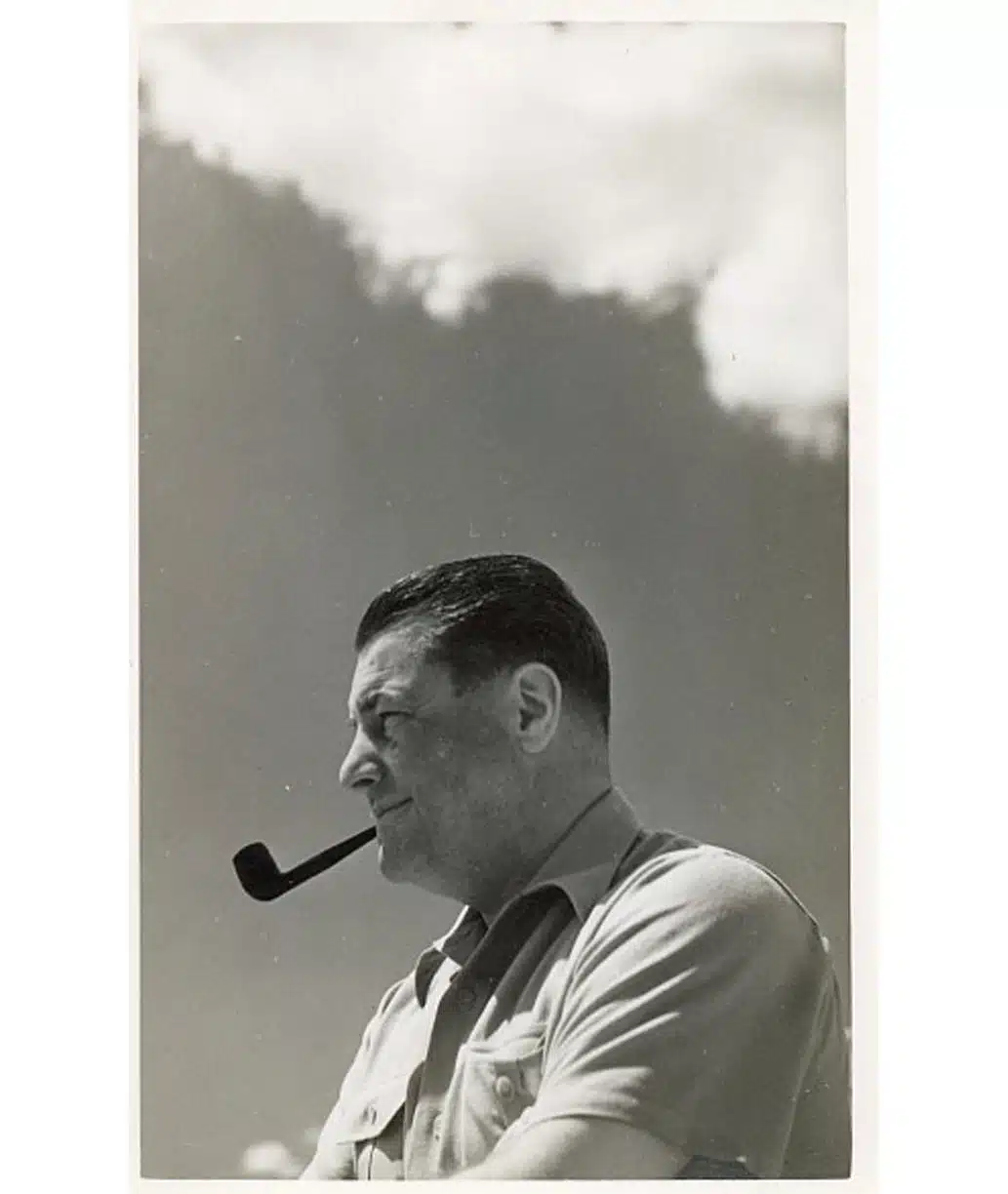
Under the impetus of Jean Puiforcat, son of Louis Victor, the Maison entered a decisive new era. Visionary silversmith‑sculptor, he embraced the vibrant Art Deco movement and transformed Puiforcat’s aesthetic.
Architectural lines, purified forms, reimagined functions — his formal language took shape and gave rise to an avant‑garde Art Deco silversmithing style that has since become timeless.
20th century
1945–1990: Puiforcat's expansion towards a new art of livring
Puiforcat broadened its influence in France and diversified its creations. The Maison continued to cultivate its traditional savoir‑faire while highlighting an exceptional artistic heritage shaped by classical and Art Deco styles.
To appeal to a clientele seeking a new art of living, it expanded its universe to include porcelain and collaborated with artists such as Alain Carré and Renan de la Godelinais, or even Salvador Dali!
The 1990s
1993: Opening to Contemporary Style
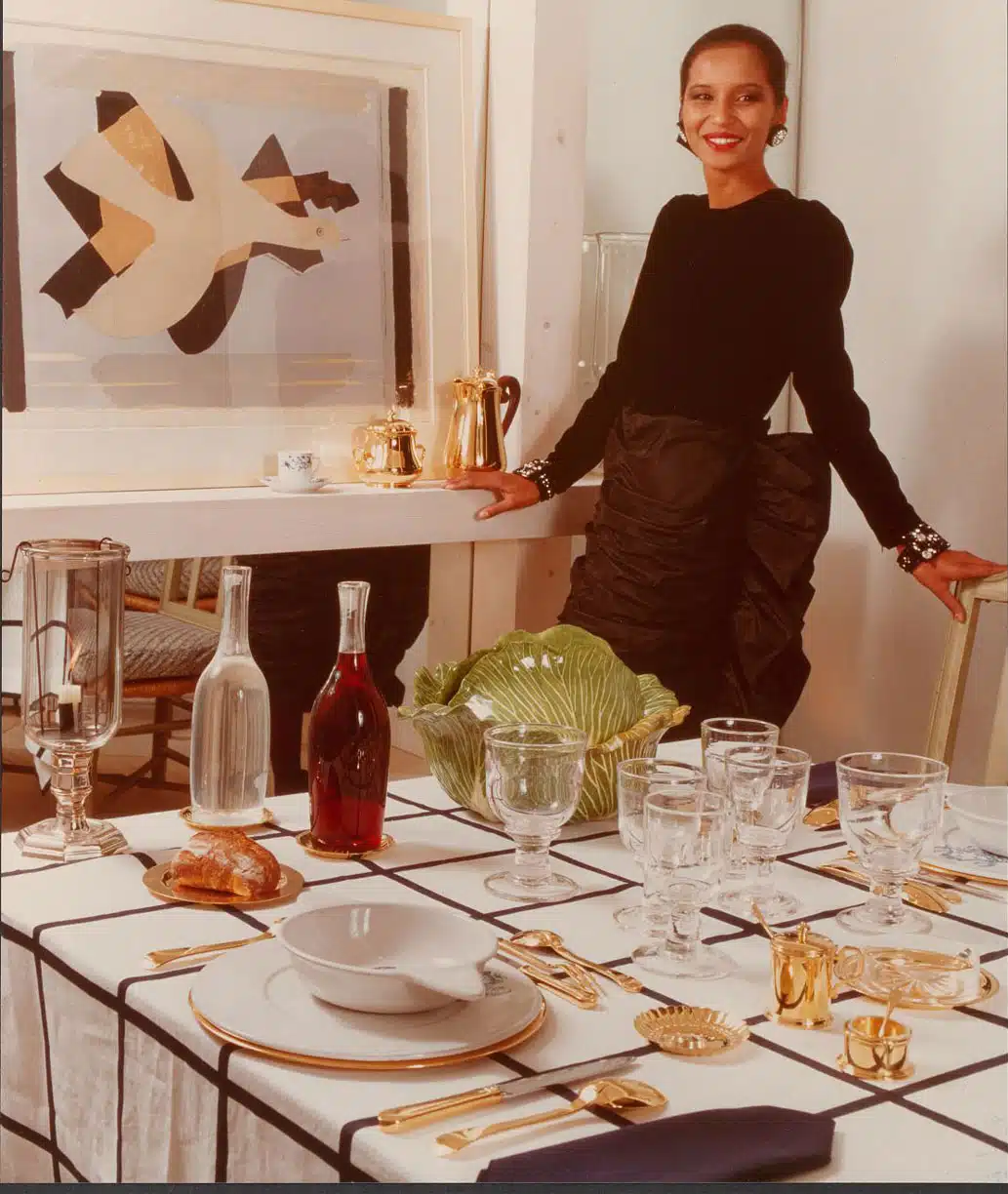
Since joining the Hermès group in 1993, Puiforcat has continued to enrich its artistic universe.
Working alongside contemporary designers, the Maison imagines the timeless pieces of tomorrow, revisits Art Deco, and reissues the treasures of its classical heritage. In doing so, it embodies a rare balance between the strength of its traditions and the momentum of a virtuoso creativity.