-
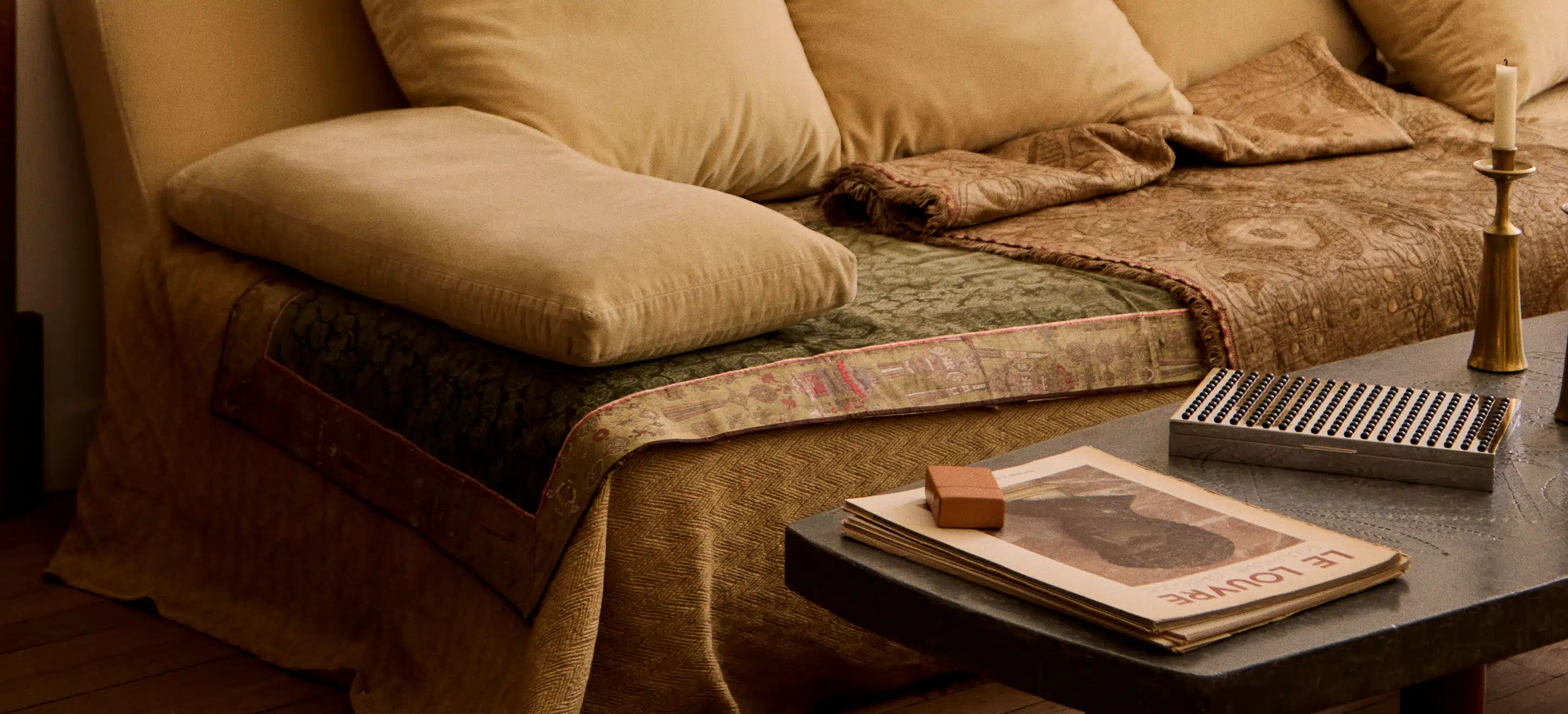
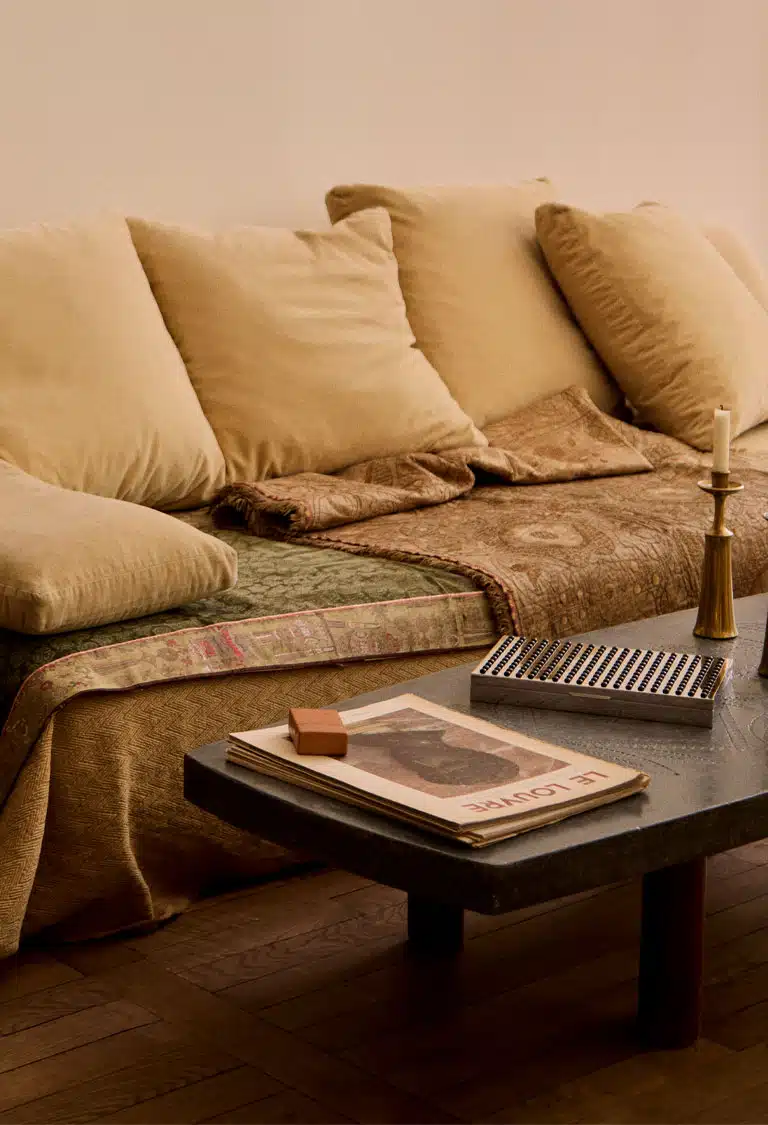
The House's
Art Déco DNA -
The House's
Art Déco DNA -
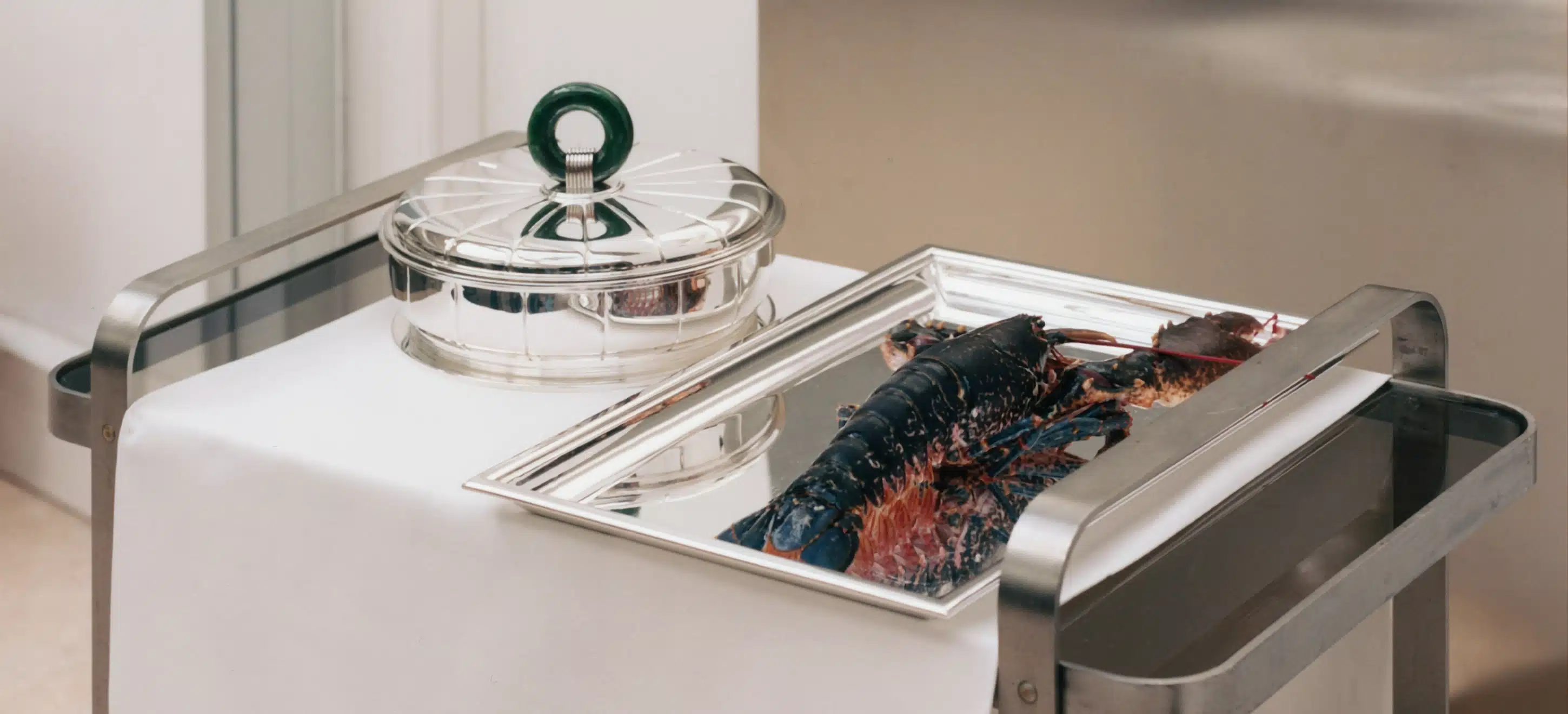
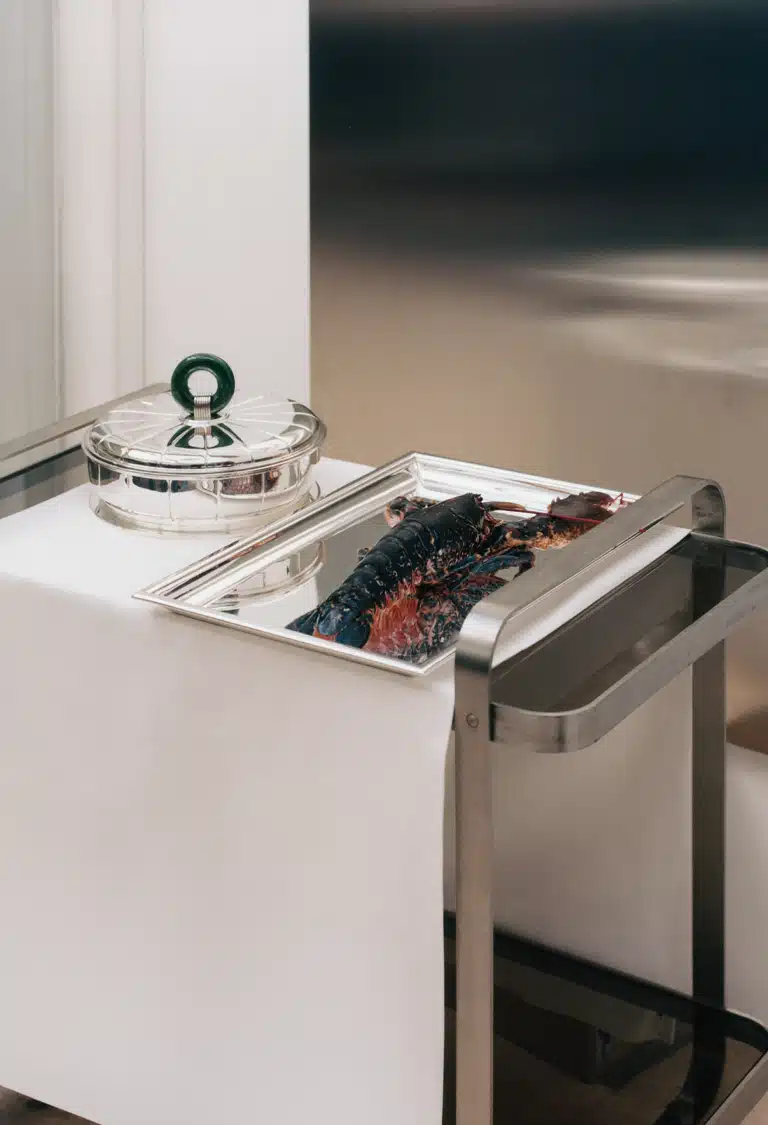
The House's
Art Déco DNA
Today, the artisans of Puiforcat continue to draw from the rich trove of sketches and drawings Jean left behind, perpetuating and celebrating his timeless style.
Art Deco in a gentle curve
The Floralie
box
box
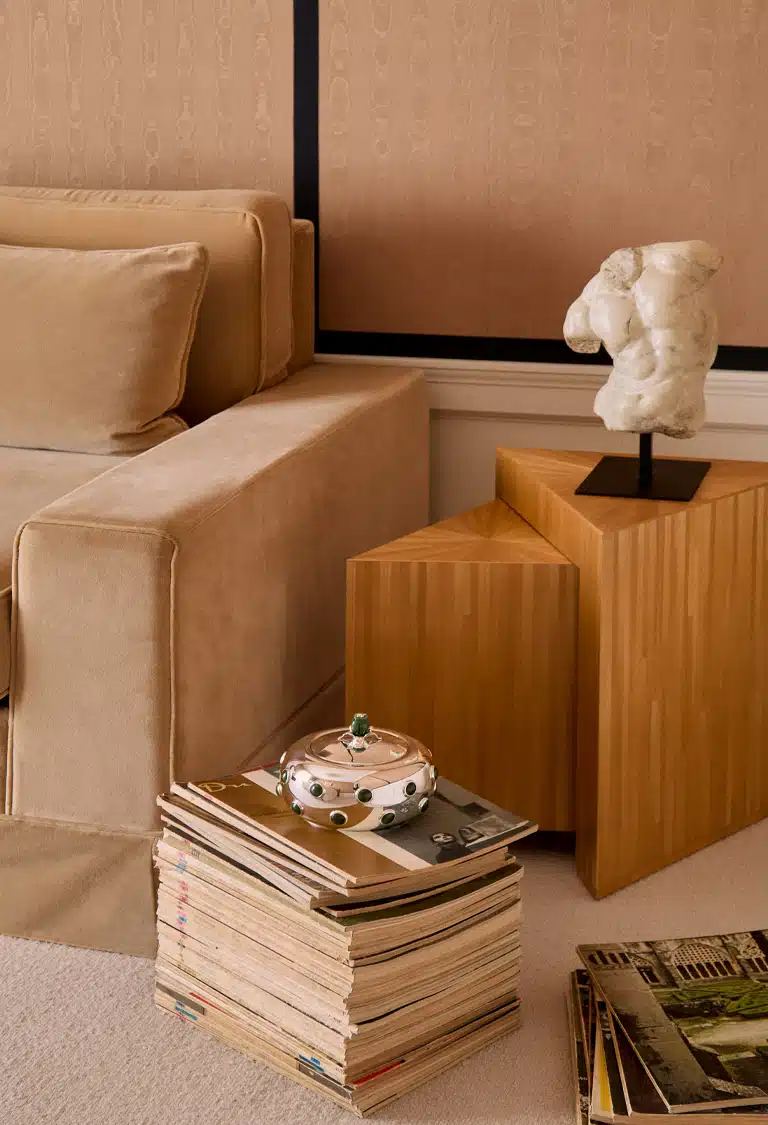
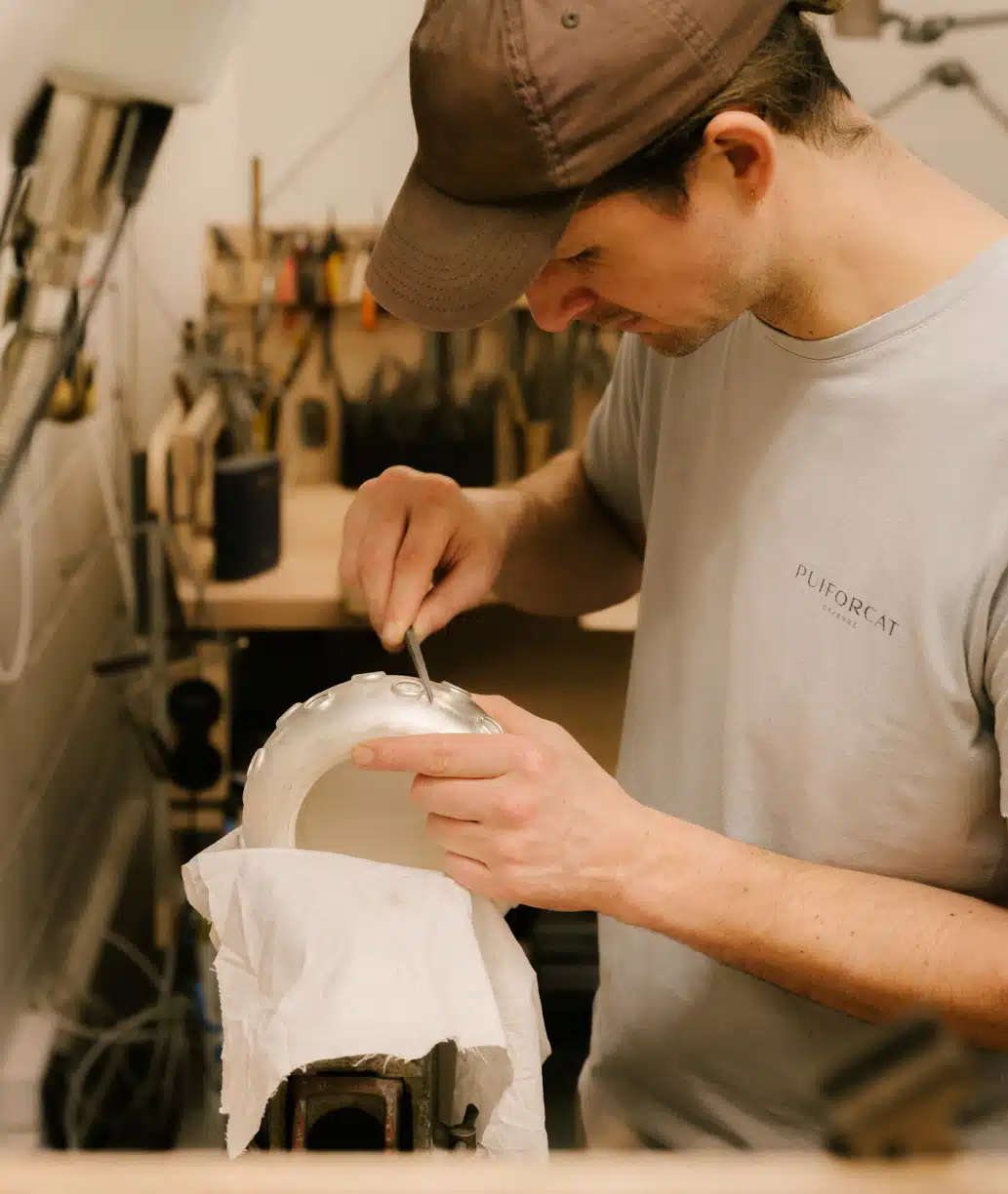
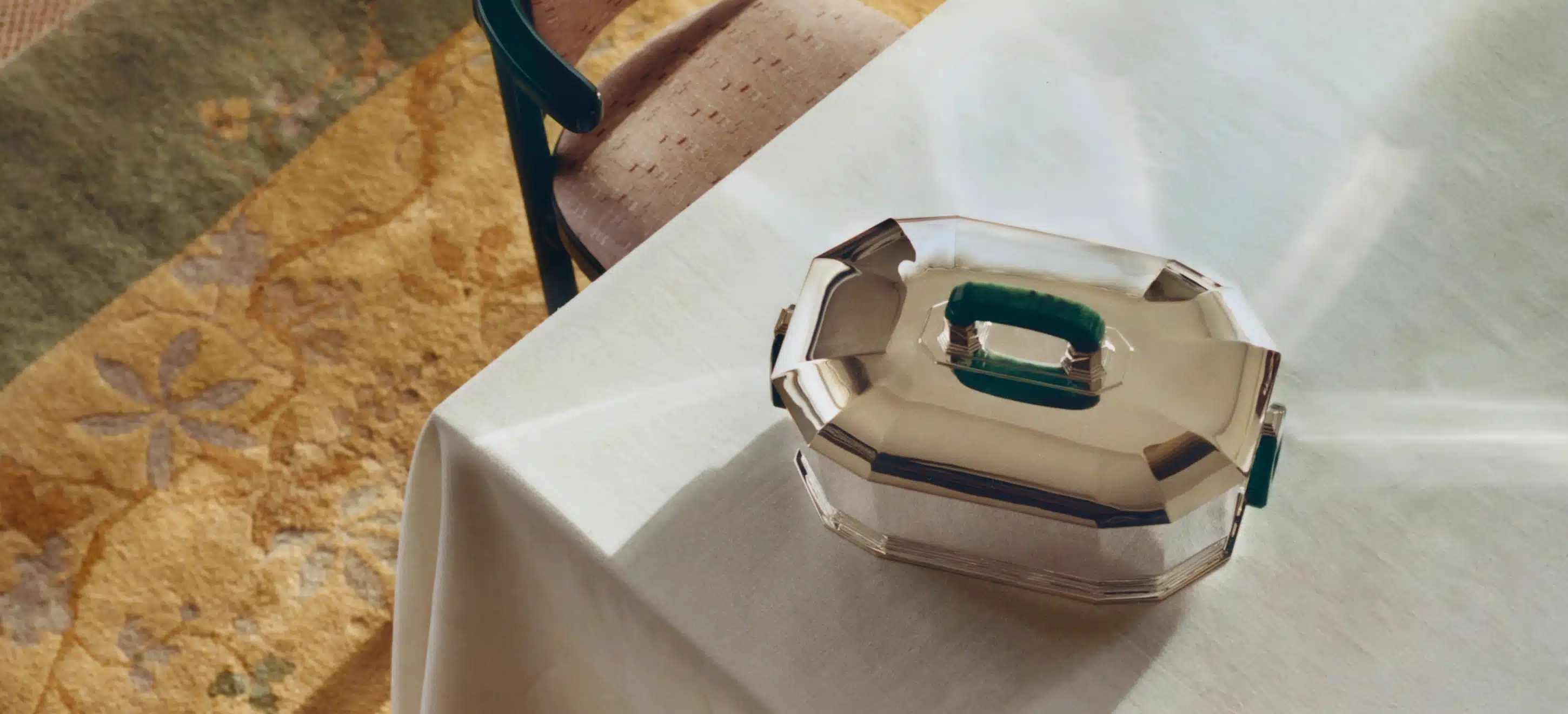
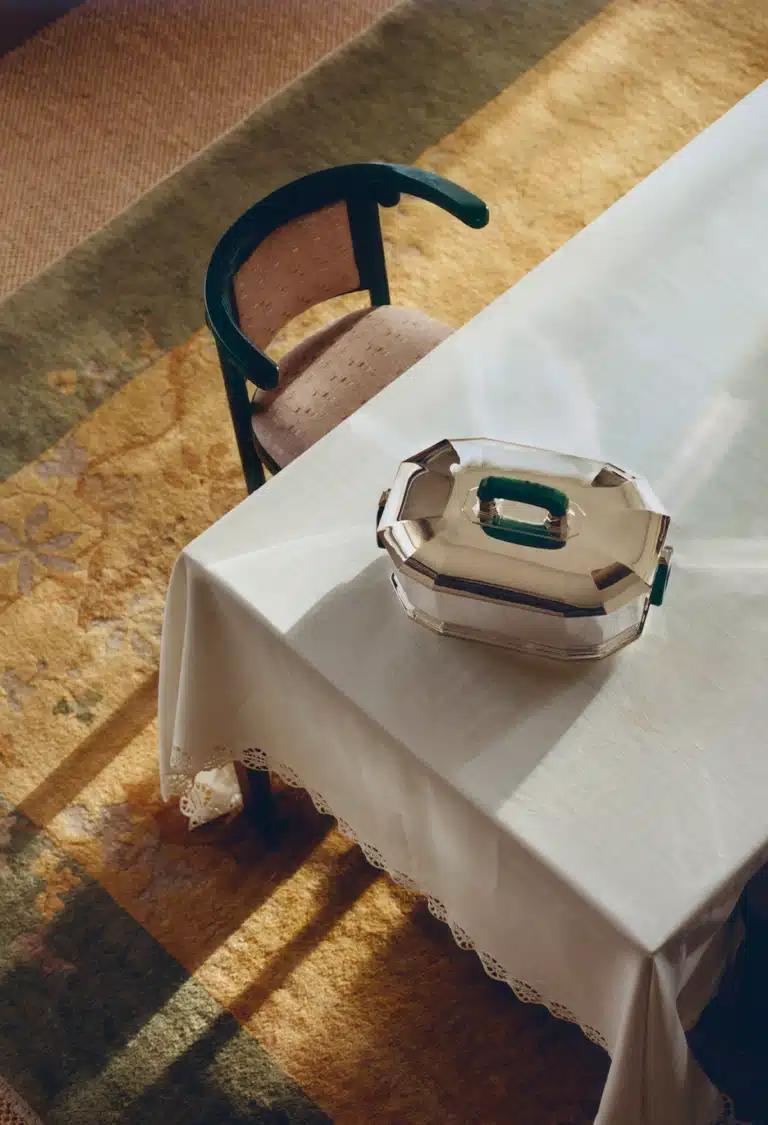
The very young silversmith Jean Puiforcat - whose masterpiece, marking his entry into the silversmiths’ guild, dates from 1920 - presented this elegant ‘biscuit box’ in Paris in 1922. It is among his very first attempts to redefine the art of silversmithing.
The early signs of the Art Deco stylistic vocabulary, which he would soon apply to his entire body of work, are already visible here, even though the piece still bears the imprint of Art Nouveau.
The lapis-lazuli cabochons of the original piece have today been replaced with green jade, but the shaping of the box and its mirror‑polished finish still rely on the same techniques used in Jean’s time. As for the combination of sterling silver and colored stones, it would soon become one of the silversmith’s emblematic signatures.
Sterling silver & precious wood
The orangeade
jug
jug
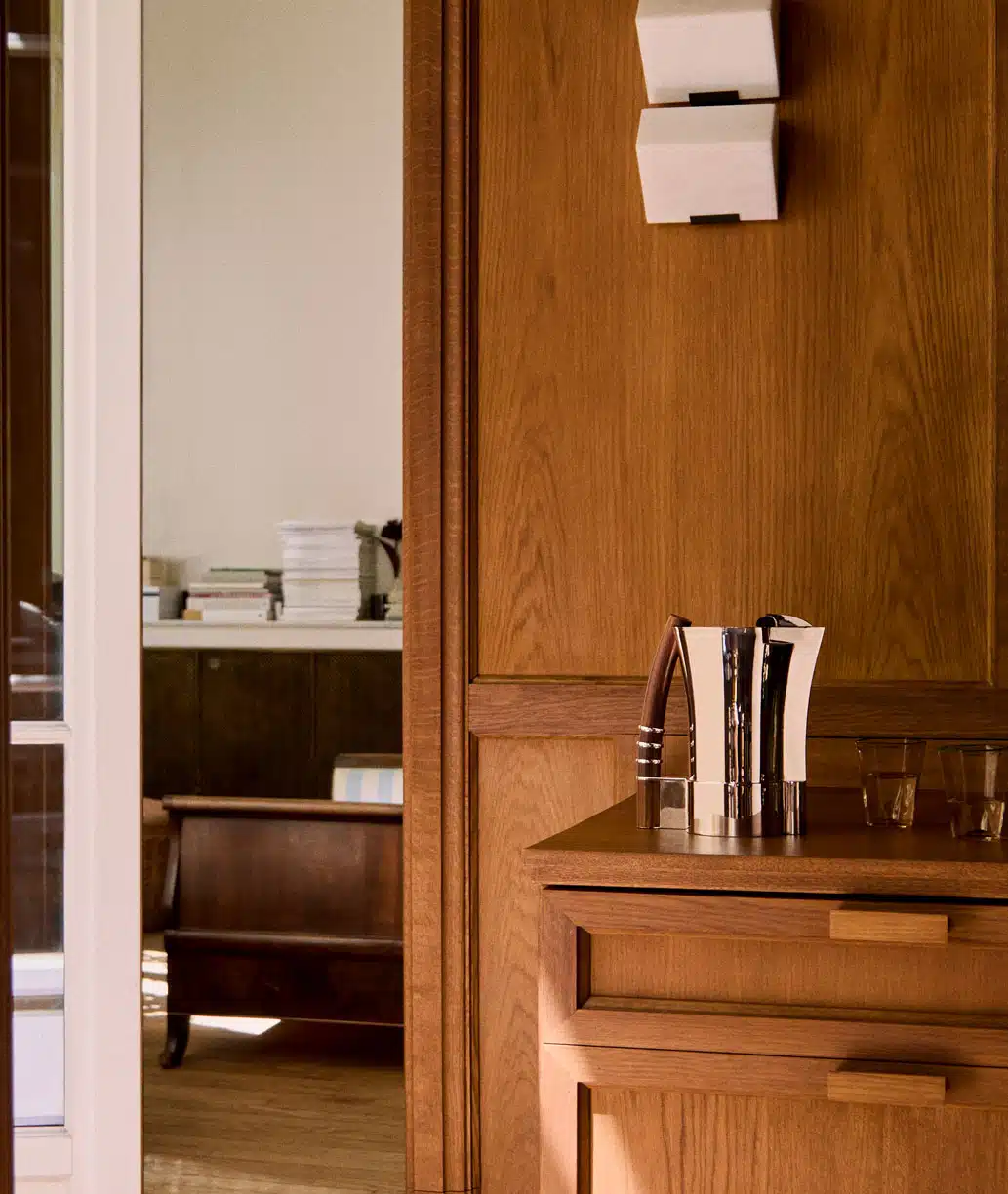
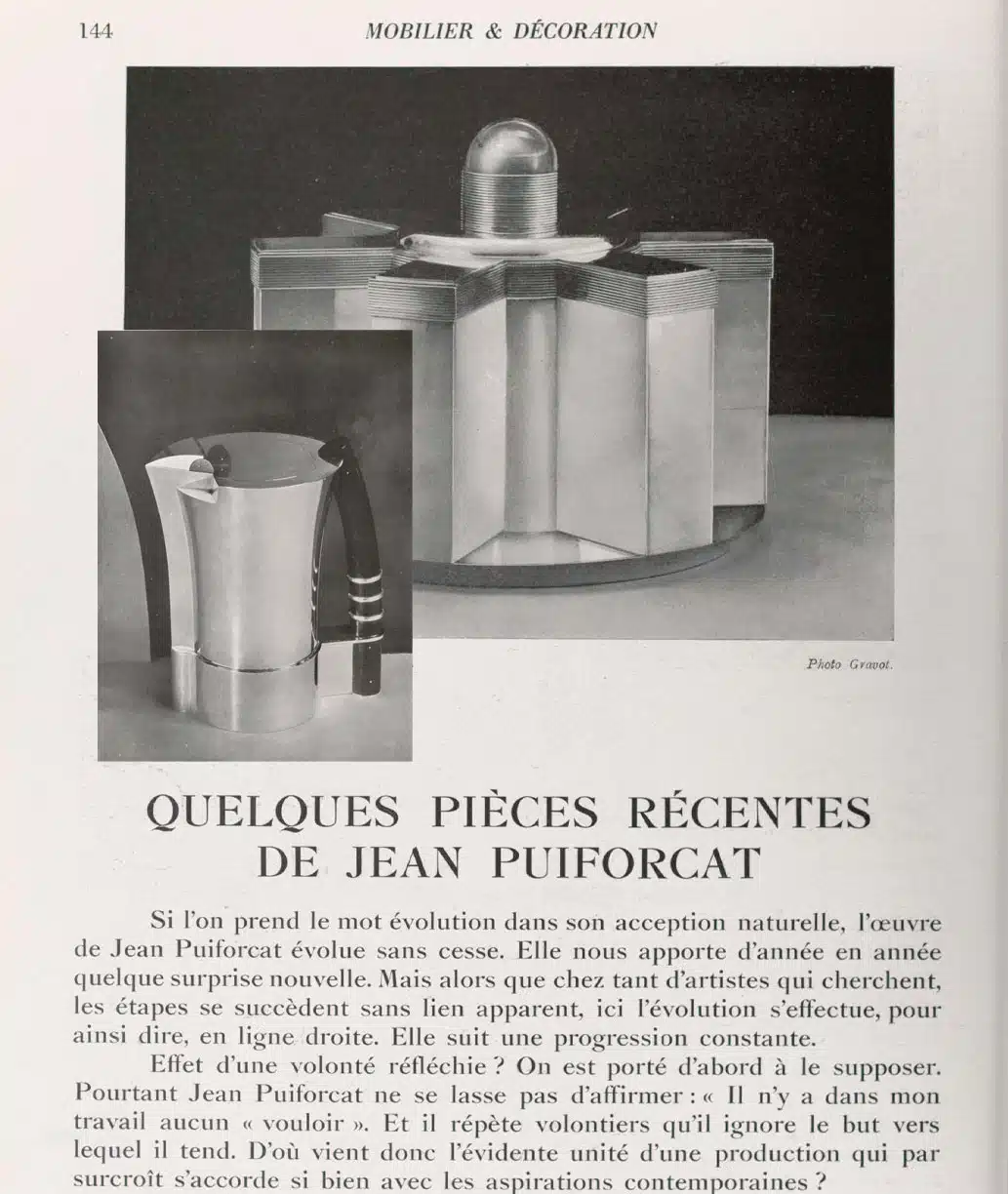
Created in 1930, this jug fully embodies the Art Deco aesthetic.
Marked by great sobriety, it perfectly reflects Jean Puiforcat’s taste for architecture and mathematically based constructions. The strict geometry of its spout interacts with the gentle curve of its silhouette, subtly highlighted by a rosewood handle.
A close look at the design — particularly that of the lid — reveals a clear interplay of pure forms: circle, triangle, rectangle, all elements composing the harmonious layouts he mastered so well.
A beautiful photograph also illustrates an article titled ‘Quelques pièces récentes de Jean Puiforcat’, published in the April 1931 issue of Mobilier et Décoration.
A unique harmony between sterling silver & rosewood
The Socoa
tea & coffee
set
tea & coffee
set
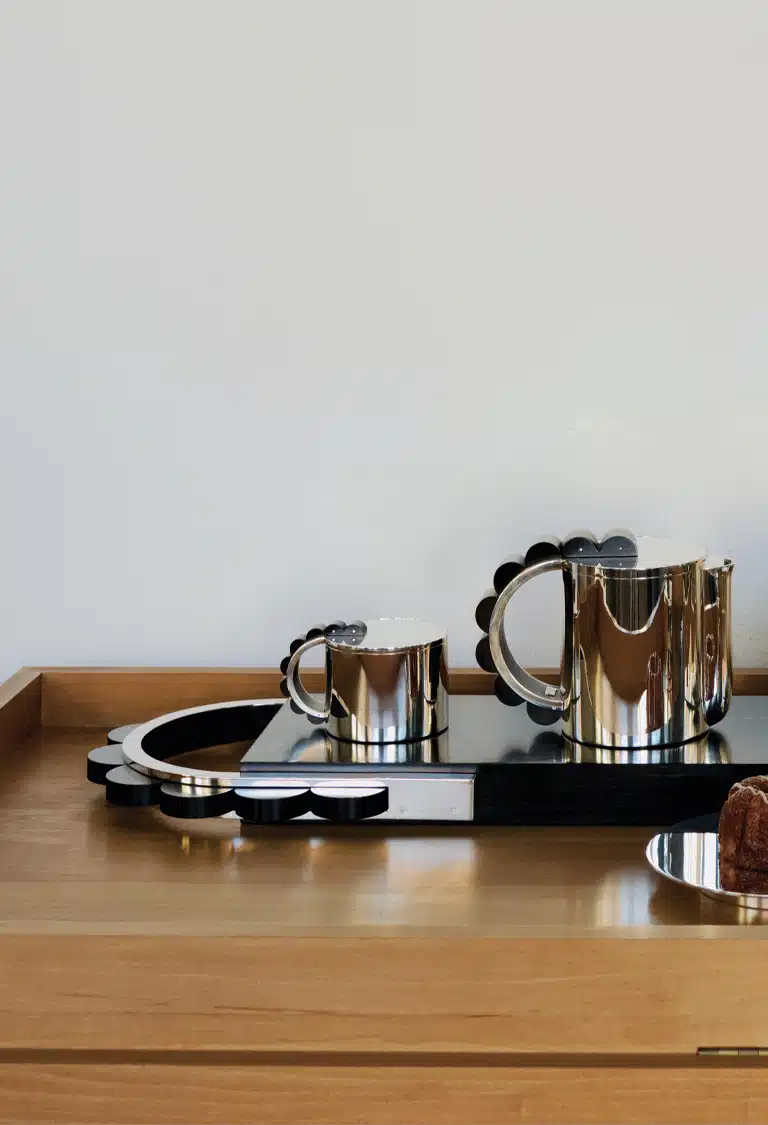
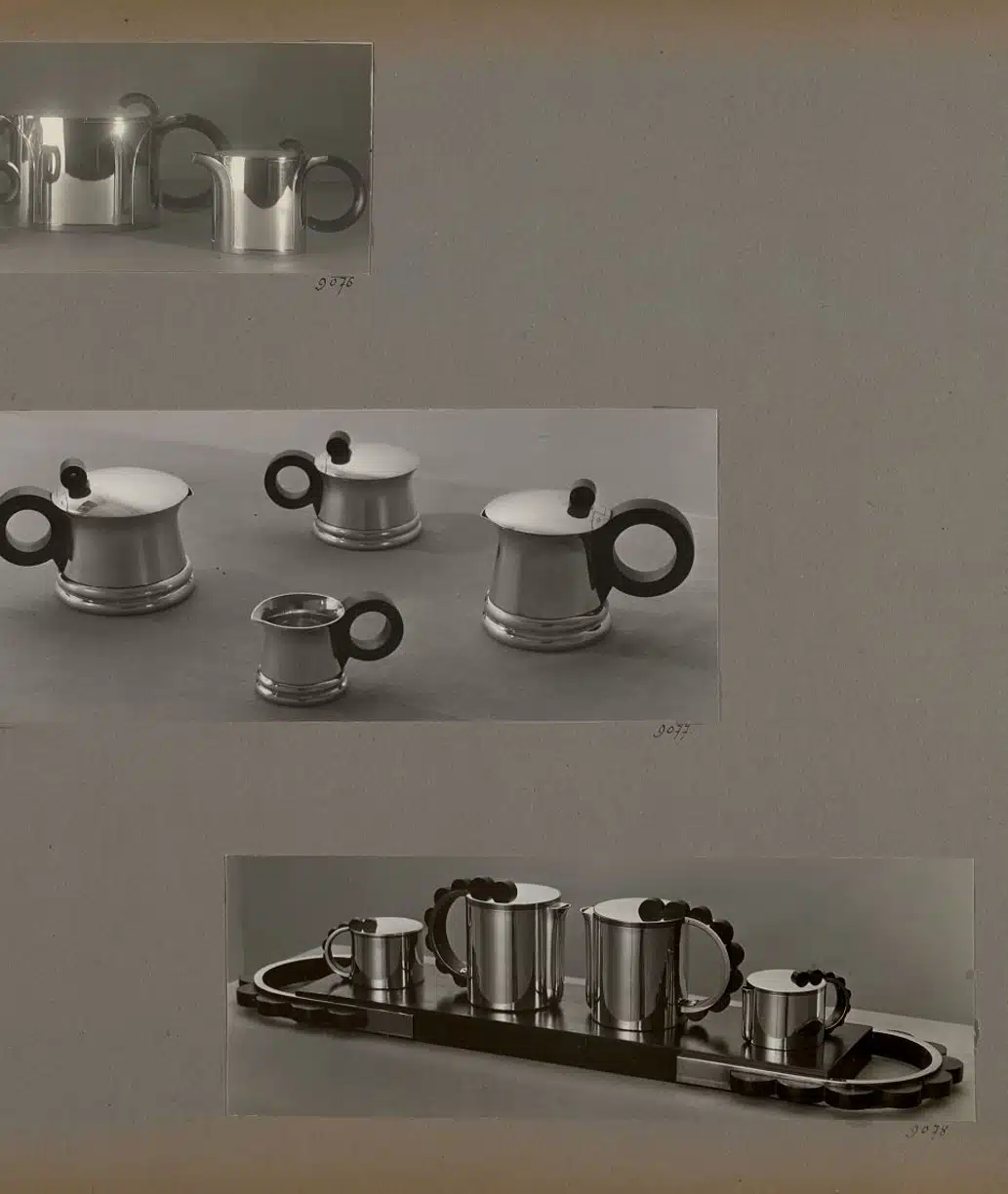
Settled in the Basque Country since the late 1920s, Jean Puiforcat devoted himself more than ever to exploring the purity of form, deepening his study of geometry, experimenting, and producing creations that made him instantly recognizable among his contemporaries.
Created in 1937, the Socoa tea and coffee service illustrates the evolution of his stylistic research and his boldness as a designer. The objects, simple cylindrical volumes in sterling silver, are adorned with wide semi circular handles embellished with a rosewood scalloped motif.
Displayed on a long tray combining wood and silver, each item is presented in profile, highlighting these gracefully curved silhouettes. Only the vertical spouts of the teapot and coffee pot end in a sharp, clean right angle.